Key Takeaways
- Whether you can seek compensation after an accident depends on factors such as fault, available coverage, and your state’s insurance laws.
- Understanding the difference between first-party and third-party claims helps you choose the correct path for recovering damages.
- Gathering evidence, reporting the accident promptly, and keeping accurate records can improve the chances of a smooth claims process.
- Different types of coverage protect against different financial risks, making it important to understand what your policy includes.
- Even if another driver is responsible, disputes over liability or missing documentation can delay or reduce compensation.
- Driving without proper coverage can lead to legal penalties and greater out-of-pocket costs after an accident.
- Knowing when to seek legal assistance can help protect your rights if a claim is denied or the settlement offer is unfair.
Car accidents can happen in an instant, leaving drivers unsure of what to do next. Beyond the immediate concerns of safety and vehicle damage, many people wonder whether insurance is required before they can seek compensation. The answer depends on several factors, including who caused the accident, the type of damages involved, your state’s insurance laws, and the policies held by everyone involved.
Understanding how accident claims work can help you avoid costly mistakes and ensure you receive the compensation you’re entitled to. Whether you’re filing a claim through your own insurer, pursuing damages from another driver’s insurance company, or paying for repairs out of pocket, knowing your rights and responsibilities makes the process much easier.
This guide explains when car insurance is necessary, the different types of accident claims, and what happens if you or the other driver doesn’t have coverage. It also covers the claims process, common misconceptions, and practical steps you can take after an accident to protect your financial interests.
Understanding How Accident Claims Work
An accident claim is a formal request for compensation after a vehicle collision causes damage, injuries, or financial losses. Depending on the circumstances, the claim may be submitted to your own insurance company or to the insurer of the driver responsible for the accident.
Many people assume that filing a claim automatically means working with their own insurance provider. In reality, several types of claims exist, each with different requirements and eligibility rules. The type of claim you pursue depends on who was at fault, the coverage available, and your state’s insurance regulations.
Generally, accident claims fall into two broad categories:
- First-party claims
These are claims filed with your own insurance company. They typically involve collision coverage, comprehensive coverage, medical payments, or uninsured motorist protection. - Third-party claims
These are filed against another driver’s insurance company when they are responsible for causing the accident.
In both situations, insurers investigate:
- Police reports
- Photos and videos
- Witness statements
- Vehicle damage
- Medical records
- Repair estimates
Their goal is to determine liability and calculate how much compensation should be paid.
Is Insurance Always Required Before You Can Seek Compensation?
Many drivers believe they cannot recover damages without carrying insurance themselves. However, that’s not always true. Whether insurance is required depends largely on who caused the accident and the type of claim being filed.
If another driver is responsible for the collision, you may still be able to pursue compensation through that driver’s liability insurance—even if you don’t carry collision coverage on your own vehicle. However, driving without legally required insurance can expose you to penalties and may complicate certain aspects of the process.
Situations where insurance may or may not be required include:
When another driver caused the accident
You may file a claim against their liability insurance for:
- Vehicle repairs
- Medical bills
- Lost income
- Pain and suffering (where permitted)
When you’re at fault
Your own insurance becomes much more important. Liability coverage may pay for damages to others, while collision coverage can help repair your own vehicle if included in your policy.
When both drivers share fault
Some states reduce compensation based on each driver’s percentage of responsibility. Insurance companies negotiate these percentages during the investigation.
What Happens If You Don’t Have Insurance?
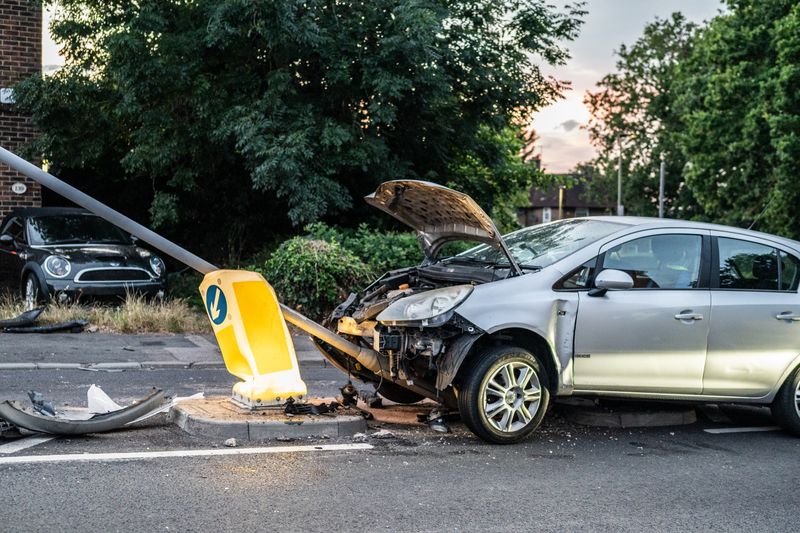
Driving without insurance carries risks beyond potential fines or license suspensions. It can also affect your ability to recover certain damages after an accident, depending on where you live.
While every state has different laws, uninsured drivers often face additional legal and financial challenges. Some states limit what uninsured motorists can recover, while others allow claims against at-fault drivers regardless of the injured person’s insurance status.
Possible consequences include:
- Personal responsibility for repair costs
- Medical expenses paid out of pocket
- Traffic fines
- License suspension
- Vehicle registration penalties
- Difficulty obtaining affordable insurance later
Even if another driver caused the accident, your lack of insurance may complicate negotiations.
How Different Types of Coverage Affect Claims
Not every insurance policy covers the same situations. Understanding each type of coverage helps determine what damages can be claimed after an accident and who ultimately pays the costs.
Choosing the right combination of coverages before an accident occurs provides greater financial protection and can significantly reduce out-of-pocket expenses after a collision.
Common coverages include:
Liability Coverage
Required in most states, liability insurance pays for:
- Damage you cause to another person’s vehicle
- Medical expenses for injured parties
- Legal defense if you’re sued
It generally does not pay to repair your own vehicle.
Collision Coverage
Collision insurance helps pay for repairs to your own vehicle after an accident, regardless of fault.
This can be especially valuable for newer or financed vehicles.
Comprehensive Coverage
Comprehensive insurance covers damage unrelated to collisions, including:
- Theft
- Fire
- Flooding
- Falling objects
- Vandalism
- Animal collisions
Personal Injury Protection (PIP)
Available or required in some states, PIP helps pay:
- Medical expenses
- Lost wages
- Rehabilitation
- Certain household services
Uninsured and Underinsured Motorist Coverage
This protects you when the at-fault driver has little or no insurance available.
What to Do Immediately After an Accident
The actions you take immediately following a collision can greatly influence the success of your claim. Good documentation often makes it easier for insurers to determine fault and process payments efficiently.
Staying calm and gathering accurate information protects both your legal rights and your financial interests.
Important steps include:
- Check for injuries.
- Call emergency services if necessary.
- Move to a safe location when possible.
- Contact law enforcement if required.
- Exchange information with the other driver.
- Photograph the vehicles, road conditions, and surroundings.
- Collect witness contact information.
- Notify your insurance company promptly.
Avoid admitting fault at the scene. Determining liability requires a full investigation, and initial impressions may not reflect what actually happened.
Filing a Claim With Your Insurance Company
Filing a first-party claim is often straightforward when you have the appropriate coverage. Insurance companies have dedicated claims departments that guide policyholders through the process.
The sooner you report the accident, the easier it is to preserve evidence and begin repairs.
Your insurer will usually ask for:
- Date and location of the accident
- Police report number
- Driver information
- Insurance information
- Photos
- Repair estimates
- Medical documentation if injuries occurred
During this process, an insurance adjuster investigates the accident before approving payment.
If you have collision coverage, your insurer may pay for repairs first and later recover costs from the at-fault driver’s insurer through subrogation.
Filing a Claim Against the Other Driver
When another driver caused the accident, you may file a third-party claim directly with their insurance company instead of your own.
Although this approach may help avoid paying your collision deductible, it sometimes takes longer because the other insurer must first accept liability.
The investigation usually includes:
- Reviewing accident reports
- Speaking with both drivers
- Interviewing witnesses
- Examining vehicle damage
- Assessing repair estimates
- Reviewing medical records
If liability is accepted, the insurer negotiates payment for covered losses.
If liability is disputed, additional investigation—or legal action—may become necessary.
How Fault Influences Your Compensation
Determining fault is one of the most important parts of any accident claim. Insurance companies evaluate evidence to decide who caused the collision and how much each party contributed.
Different states follow different legal systems for assigning responsibility.
These generally include:
Pure Comparative Negligence
Each driver’s compensation is reduced according to their percentage of fault.
Modified Comparative Negligence
Drivers can recover damages only if their share of fault remains below a specified threshold.
Contributory Negligence
In a small number of states, even minimal fault may prevent recovery.
Understanding your state’s rules helps set realistic expectations during the claims process.
Can You Still File a Claim Without Collision Coverage?
Many drivers mistakenly believe collision insurance is mandatory for any accident claim. That’s not true.
If another driver caused the accident, their liability insurance may pay for your damages regardless of whether you purchased collision coverage.
However, if you’re responsible for the crash and lack collision insurance, you’ll likely pay for repairs to your own vehicle yourself.
This makes getting car insurance with coverage tailored to your driving habits and financial situation an important part of long-term financial planning.
Consider the value of your vehicle, loan requirements, and personal budget when deciding which coverages to carry.
Common Reasons Accident Claims Are Denied
Insurance companies do not automatically approve every claim. Understanding why claims are denied helps drivers avoid preventable mistakes.
Some denials result from insufficient documentation, while others involve policy exclusions or disputes over liability.
Common reasons include:
- Late reporting
- Lack of evidence
- Policy exclusions
- Lapsed insurance
- Fraud concerns
- Disputed fault
- Failure to cooperate with the investigation
Providing complete documentation and responding promptly to insurer requests often helps keep the process moving.
When Legal Help May Be Appropriate
Most accident claims are resolved through insurance companies without going to court. However, certain situations may require assistance from an attorney.
Legal representation may be beneficial when:
- Serious injuries occurred
- Liability is heavily disputed
- Multiple vehicles were involved
- Insurance companies deny valid claims
- Settlement offers appear unfair
- Long-term medical treatment is required
An attorney can evaluate available evidence, negotiate with insurers, and explain your legal options.
While not every claim requires legal representation, professional guidance can be valuable in more complex cases.
Tips for Making the Claims Process Easier

Preparing before an accident happens can significantly reduce stress later. Having organized records and understanding your insurance policy helps speed up the claims process.
Practical ways to simplify future claims include:
- Review your policy annually.
- Understand your deductibles.
- Keep insurance information in your vehicle.
- Take photos after every accident.
- Report collisions promptly.
- Save repair estimates and receipts.
- Maintain records of medical treatment.
- Keep communication with insurers organized.
Being proactive often leads to faster claim resolution and fewer disputes.
Conclusion
Whether you need car insurance to make an accident claim depends on the circumstances surrounding the collision, the type of claim you’re pursuing, and the laws in your state. While your own insurance coverage plays a major role when you’re seeking payment for your vehicle or medical expenses, it isn’t always a requirement for pursuing compensation from an at-fault driver’s insurer.
Understanding the different types of insurance coverage, how fault is determined, and what documentation insurers expect can make the claims process smoother and less stressful. By staying informed, maintaining appropriate coverage, and acting promptly after an accident, you’ll be better prepared to protect your financial interests and navigate the claims process with confidence.